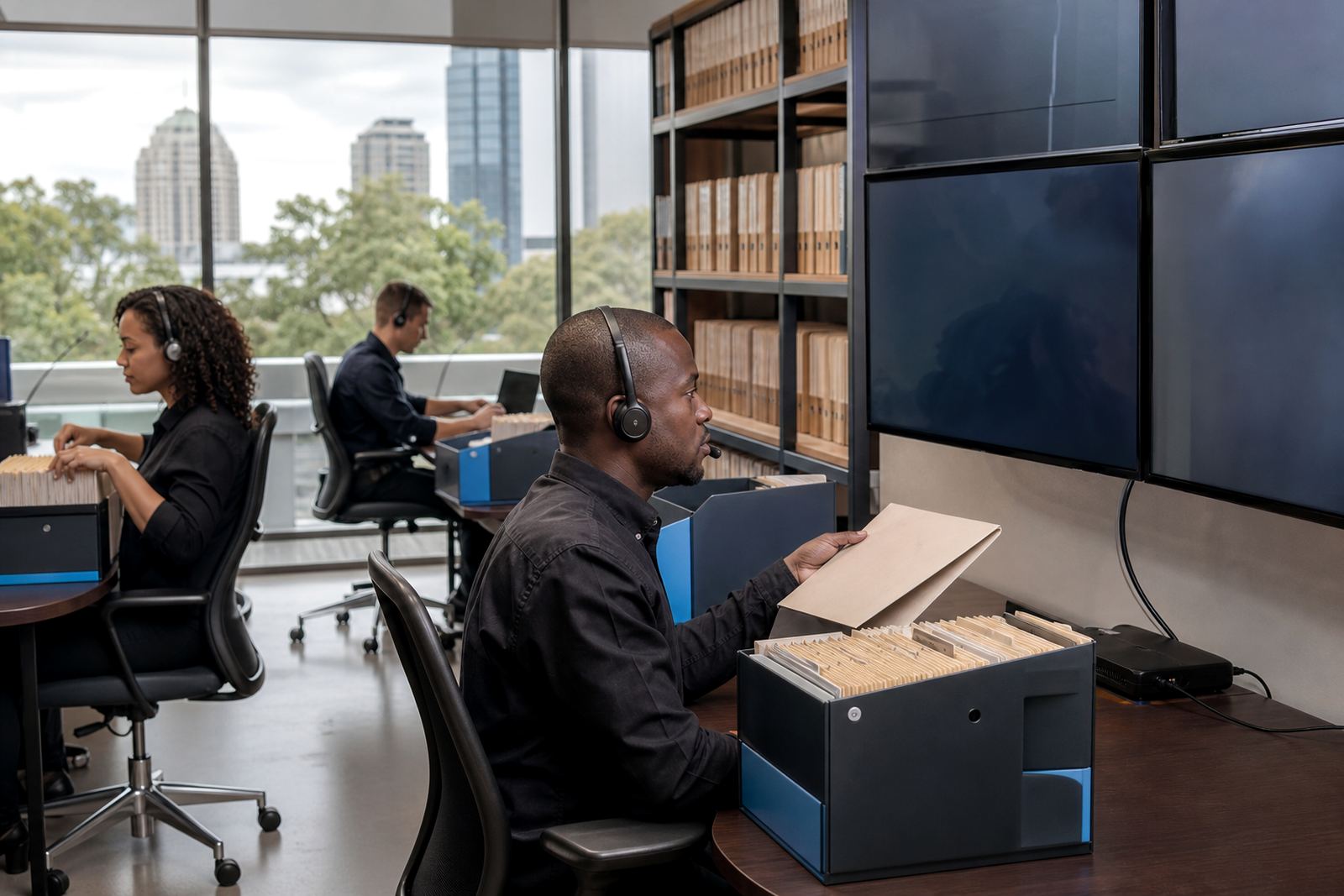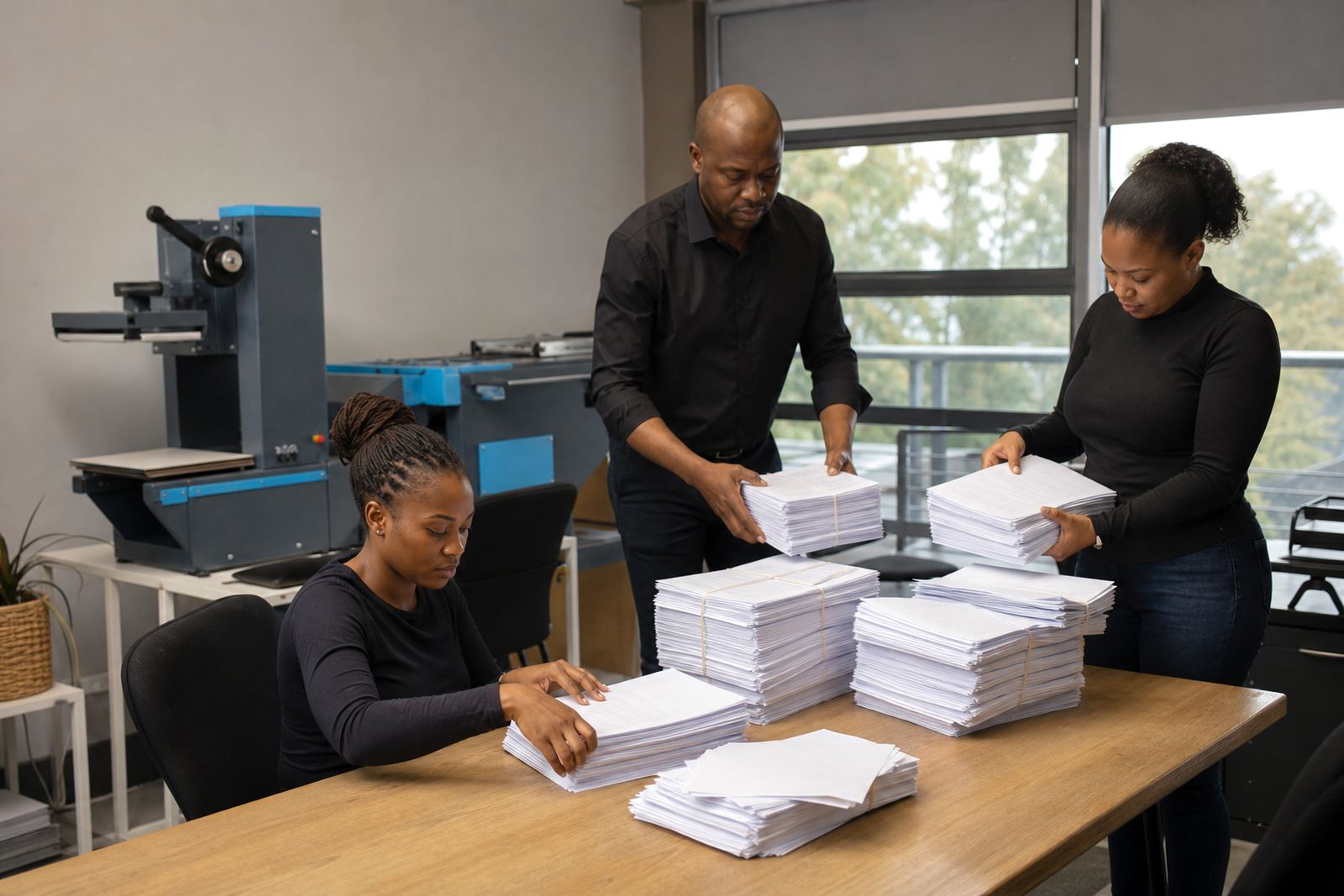


The file room had grown louder than the work
The team in Pretoria handled a steady flow of transfer matters and bond-linked files, but the older setup had drifted into clutter. Template names had multiplied, clauses had been copied across in different versions, and matter notes sat in scattered folders with no reliable pattern. That made it harder to keep a clean view of deadlines, documents and who had touched what.
The brief was practical: tidy the transfer templates, move live matter records into a clearer structure, and keep the working week intact while the migration ran. It was not a full reset. The firm needed continuity, with the least disturbance to daily conveyancing tasks and the least risk of losing useful history from open files.
What the Pretoria team needed from the migration
The property practice wanted a system that suited transfer work in a busy city office, where signatures, correspondence, compliance checks and deed steps all sit close together. They also wanted matter information arranged in a way that let attorneys and support staff see what was next without digging through mixed folders. Security mattered too, because conveyancing files hold identity documents, title details and other sensitive records that need controlled access.
- Transfer matter records mapped into a cleaner pipeline
- Template libraries reduced to current, usable versions
- Role-based access for attorneys, paralegals and admin staff
- Searchable evidence and attachment handling for supporting files
- Clearer task ownership for deadline-heavy matters
There was also a human side to the brief. People were used to working a certain way, and any migration had to respect that knowledge instead of forcing a strange process onto the office. That shaped the order of work and the way training was handled.
Cleaning the templates before moving the files
We started with the document set. The old transfer templates were reviewed clause by clause, with duplicates removed and naming cleaned so staff could tell the documents apart at a glance. Standard fields were aligned across the main transfer pack, and the matter forms were adjusted so the same client and property details did not need to be typed over and over.
From there, the team worked through the matter data that needed to move. Active files were checked for structure, status and attached documents, then grouped into the right matter stages. The migration plan kept a close eye on what had to remain searchable and what needed to stay attached to the correct file history.
- Template builds for core transfer documents
- Data migration for active and recent matters
- Workflow configuration for tasks and status movement
- Permissions setup for different staff roles
The result was not only cleaner documents, but a calmer handover between people who open matters, people who prepare documents, and people who track the next steps. That matters in conveyancing where one missed update can hold up several linked actions.
How the matter structure was arranged
The matter pipeline was set up around the way transfer work actually moves in a Pretoria office. Opening details, document preparation, signature collection, file checks and final follow-up all had their own place. This gave the team a single view of progress without flattening the detail that individual matters still needed.
Searchable queues were also introduced for supporting evidence and uploaded records. That made it easier to find the right document when a matter moved from one stage to another, or when a staff member had to verify a detail before the next action. It cut down on the kind of folder hunting that tends to eat time in property work, especially when several files are moving at once.
We also handled permissions so the right people could see the right files. Sensitive records stayed within the correct user groups, and the setup followed general POPIA-aware handling practices for data control and access discipline.
Training without slowing the office down
The migration ran over three weeks. Week one focused on template clean-up and the matter map, week two covered data migration and permission setup, and week three dealt with training, testing and final adjustments before live use. The office did not need long downtime blocks, so the work was split into manageable sessions that fitted around the team’s diary.
Training covered two groups. The first was the day-to-day staff who prepare matters, move files and load documents. The second was the admin side, where users needed to manage templates, check queues and keep an eye on the structure of live matters. The sessions were practical and tied to the firm’s own files, which made the change easier to absorb.
- User training for conveyancing staff
- Admin training for template and queue control
- Go live support during the cutover period
- Health checks after the initial rollout
There were a few small corrections after the first live run, mostly around field labels and document order. That is normal on a migration of this type, and it helped the team settle into the new layout with less friction.
What changed once the files were in order
Once the new structure was live, the team had a far clearer view of transfer work. Template selection was quicker, matter status was easier to follow, and the evidence trail sat in a place where staff could find it without opening several unrelated folders. The office also had less duplication in its documents, which reduced the risk of using an older clause set by mistake.
For a property team working in Pretoria, the value was in calm control rather than flashy features. The office could move matters along with cleaner handovers, clearer access and less time spent sorting through old versions. It gave the staff a practical base for daily conveyancing work, with enough structure to handle pressure when multiple transfers were moving together.
What we would carry into the next migration
We would use the same sequence again: clean the templates first, map the matter stages before the data move, then train the staff once the structure is stable enough to use. That order kept the Pretoria project organised and made the cutover less messy than starting with the data first.
We would also keep the permissions work close to the migration itself. In a conveyancing environment, access control should be part of the setup, not an afterthought. It helps preserve confidence in the records and keeps the office aligned with practical security habits. The Pretoria file set was a good example of how a careful migration can improve daily work without changing the legal process itself.
Key facts
| Client type | Pretoria property and conveyancing team |
|---|---|
| Project focus | Template clean-up and transfer matter migration |
| Timeline | 3 weeks |
| Core work | Document assembly, matter pipelines, permissions and evidence handling |
| Areas covered | Pretoria with support for Johannesburg, Cape Town, Durban and Bloemfontein onboarding teams |
| Security handling | Role-based access and general POPIA-aware controls |