
The Randburg file-room problem in plain terms
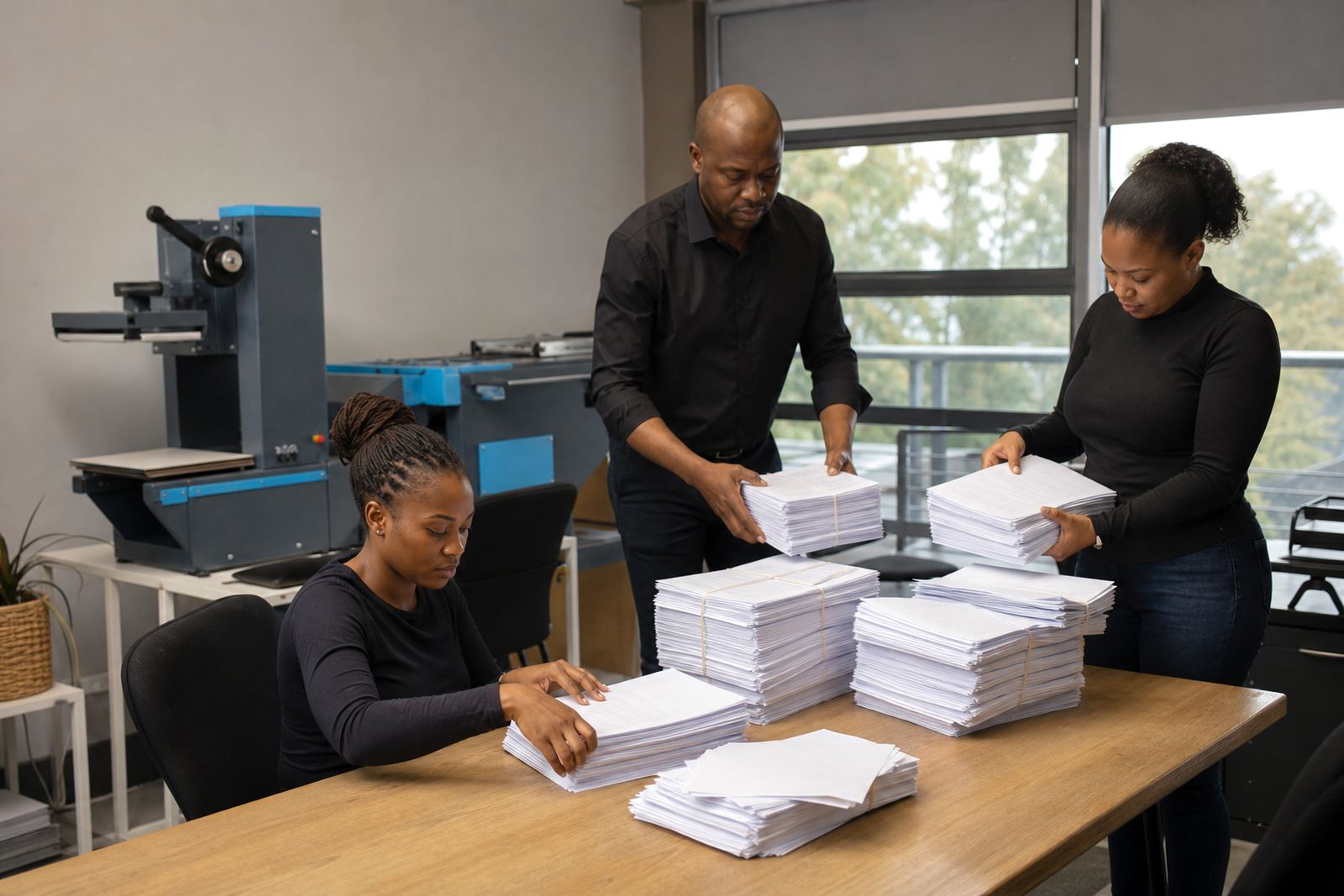
The firm handled a mixed caseload and the matter list had grown messy over time. Files were being named in different ways by different staff, duplicate records were turning up in several places, and older matters were sitting in folders that no one trusted fully.
The brief was to clean that up without forcing the team into a hard reset. They wanted matter stages that matched real work at the office, a clearer path for document assembly, and a sensible archive structure for closed and dormant matters. The work also had to respect POPIA in a general sense, with controlled access to sensitive records and a cleaner paper trail for every change.
- Client type: general practice law firm
- Town: Randburg, Johannesburg
- Main need: matter cleanup and stage restructuring
- Secondary need: duplicate record control and archive order
What we pulled into the cleanup plan
We started by mapping the firm’s matter stages against the way the team actually worked. That meant looking at new instructions, intake, active litigation, settlement work, file closure and archive handling as separate steps instead of one long catch-all process. The goal was to cut confusion for attorneys, paralegals and firm operations staff, not to add more boxes for the sake of it.
We also reviewed the document sets used most often in the practice. Where template fields were inconsistent or reused in the wrong matter type, we flagged those patterns and set up cleaner assembly logic. The same went for evidence folders and review queues, which needed one naming rule and one place to check before a file moved forward.
- Stage mapping for live matters and closed matters
- Document template review and field cleanup
- Folder naming rules for evidence and attachments
- Access control checks for sensitive records
The build and migration work we handled
Once the structure was agreed, we configured the platform around the firm’s preferred stages and matter labels. Duplicate records were identified, checked against the active file set and then archived where needed. In a few places we found near-duplicates created by small spelling changes, which had caused confusion during searches and reporting.
We then rebuilt the matter pipeline so open files moved through the same stages across the office. Template builds were tightened for common documents, and permissions were set so staff could see only the matters and folders they needed. The migration itself was handled in steps, with verification after each batch to keep the archive clean and the active list steady. There was a fair amount of back-and-forth with old file names, but the final structure held together well.
- Stage configuration for general practice matters
- Duplicate record identification and archive transfer
- Template builds for repeated document sets
- Permissions setup for team-based access
Timeline across the three week build
The project ran over three weeks. The first week focused on file review, stage mapping and the duplicate audit. The second week covered configuration, template work and migration batches. The third week was used for user checks, training and final adjustments to the review queue and archive structure.
Training covered the day-to-day actions staff needed most, such as opening a matter, finding the right stage, attaching evidence and closing a file without leaving loose records behind. Admin users were shown how to keep the archive tidy, and the support team was briefed on the new naming rules so the system would stay readable after go-live.
- Week 1: audit and stage mapping
- Week 2: configuration and migration
- Week 3: training, checks and go-live support
What changed once the files were cleaned up
The clearest result was a matter list that made sense again. Staff could see where each file sat, which matters were active, and which records belonged in the archive. Search time dropped because duplicates were removed and names were standardised, so the team did not have to second-guess the same file in three different places.
The review queue was easier to work through as well. Documents reached the right stage with fewer detours, and evidence imports were easier to trace when a matter needed careful follow-up. For a busy Randburg practice, that steadiness matters more than fancy features, especially when deadlines pile up and several people touch the same file in one day.
- Cleaner matter stages across active work
- Duplicate records moved out of the live view
- Faster searching by standard naming
- Better traceability for review and evidence files
What we would refine again on a similar matter cleanup
We would use the same sequence again: map the real workflow first, clean the records in controlled batches, then train the team on the new structure before the system settles into daily use. That order keeps disruption low and gives staff enough time to recognise the new stages without losing momentum.
We would also keep the archive rules tight from the start. Once duplicate records begin to spread, they create small delays in every part of the file lifecycle. A neat archive and a clear matter pipeline save time for the people who have to track deadlines, locate evidence and keep the firm’s work moving. The best results came from plain structure, not clever shortcuts.
- Keep the workflow map tied to actual office use
- Clean in batches rather than all at once
- Train staff before the new structure goes live
- Hold the archive to one naming rule
Key facts
| Client type | Randburg general practice law firm |
|---|---|
| Project | Matter stage restructuring and duplicate record cleanup |
| Timeline | 3 weeks |
| Core work | Template builds, workflow configuration, permissions setup and data migration |
| Security | Controlled access, archive discipline and POPIA-aware handling |
| Coverage | Johannesburg delivery with onboarding support for Gauteng and major city firms |